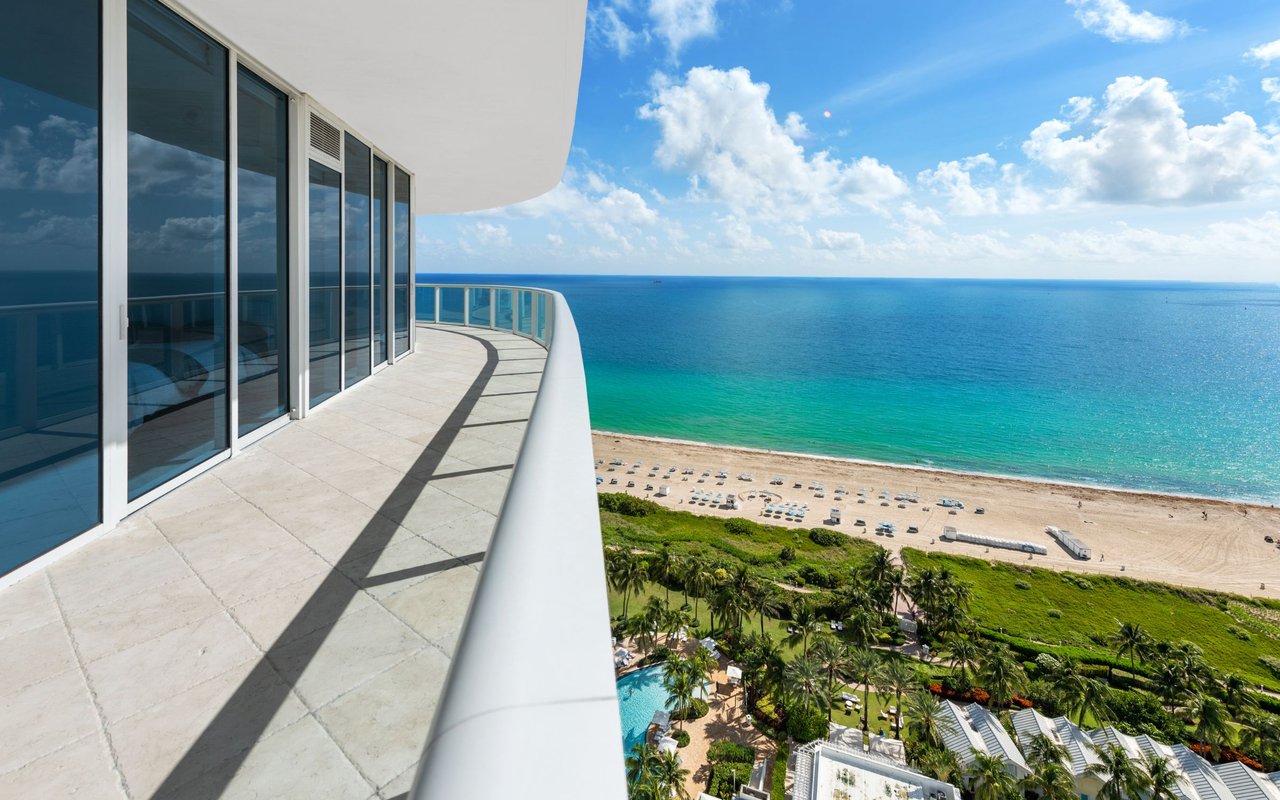
Do you picture your mornings on a quiet bay with a coffee on the dock, or barefoot sunsets with sand between your toes? On Clearwater Beach, you can choose either shoreline. Each side of the island offers a distinct rhythm, from boating on calm harbor waters to a front‑row seat on the Gulf of Mexico. In this guide, you’ll learn how Intracoastal and Gulf‑front living differ in lifestyle, boating, cost, rental potential, and risk so you can decide what fits you best. Let’s dive in.
Clearwater Beach at a glance
Clearwater Beach is a barrier island with two very different faces. The west side fronts the Gulf of Mexico and its wide beaches. The east side faces Clearwater Harbor and the Intracoastal Waterway. Tourist energy, traffic patterns, and daily routines shift by side and by proximity to hubs like Pier 60, Clearwater Marina, and Clearwater Pass.
- Gulf‑front: beach access, unobstructed westward views, and nightly sunsets. Expect more seasonal foot traffic near public beach zones and events.
- Intracoastal: calmer water views, morning sun, and easier private boat access. Expect quieter pockets with activity centered near marinas and waterfront restaurants.
Lifestyle differences you’ll feel
Views and light
- Gulf‑front: You get wide horizon lines and sunsets over the Gulf. The view is the show. Beach paths and promenades often sit close by.
- Intracoastal: You get long views along the harbor and Boca Ciega Bay, typically with sunrise light. The setting can feel more private depending on the building and siting.
Recreation and access
- Gulf‑front: Best for daily beach walks, swimming, and sand‑based activities. Direct private boat docking is uncommon on the Gulf side because of surf and dunes.
- Intracoastal: Built for boating. You’ll find private slips, marina options, and calm water for kayaking, paddleboarding, and fishing from a dock.
Noise, crowds, and the tourist calendar
- Gulf‑front: You are closer to popular beach zones, Pier 60 events, beach bars, and seasonal crowds. Expect higher activity during winter and holidays.
- Intracoastal: Generally quieter, though pockets near marinas and restaurants can be lively. Island road patterns mean traffic still peaks during busy seasons.
Privacy and daily rhythm
- Gulf‑front: The sunset is a ritual. Public beach access can limit privacy at ground level.
- Intracoastal: The sunrise sets a calmer tone. Outdoor spaces can feel more secluded, especially in lower‑density stretches.
Boating and water access
If boating is a must, the Intracoastal side is the natural fit. Private slips, calmer water, and direct access to the Intracoastal Waterway define the experience. You can launch easily, handle lines without surf, and enjoy no‑wake zones that make paddleboarding and kayaking inviting.
On the Gulf, most owners use marinas or public facilities when they want to head out. Direct Gulf docking is rare due to beach conditions, wave action, and environmental protections.
Cost, insurance, and ownership
Purchase price drivers
On Clearwater Beach, Gulf‑front typically commands a premium for direct beach access and unobstructed water views. Intracoastal properties often price lower on a per‑square‑foot basis, though premium bay views, larger lots, and private docks can bridge that gap. Age, condition, building amenities, and the specific view corridor all influence value.
Insurance and flood zones
Both sides of the island sit in coastal flood zones, and lenders commonly require flood insurance in Special Flood Hazard Areas. Gulf‑front often carries higher exposure to wind, direct wave action, and beach erosion, while Intracoastal properties can see surge funneled along waterways. What matters most are elevation, FEMA flood zone designation, and property‑level mitigation like impact glass and roof reinforcements.
HOA fees and maintenance
Salt, sun, and wind increase wear on both sides. Gulf‑front exposure can accelerate exterior and HVAC corrosion. Intracoastal properties with docks introduce piling, seawall, and electrical maintenance. In many high‑rise condos, HOAs include portions of building insurance and major exterior maintenance. Review what is covered, how windstorm deductibles work, and whether reserves are adequately funded.
Rental strategy and ROI
- Gulf‑front: Beachfront access and views drive strong short‑term demand, higher nightly rates, and steady occupancy in tourist seasons. Expect closer regulatory oversight and higher operating costs for cleaning, furnishings, and guest services.
- Intracoastal: Attracts longer leisure stays and boaters seeking slips and calmer settings. Success hinges on amenities, slip availability, and proximity to attractions like Pier 60 and Clearwater Marina. HOA rules will shape what you can and cannot do.
Always verify city and county rules for short‑term rentals, local occupancy taxes, and your building’s rental policies. Rules vary by jurisdiction and association and can change.
Risk, resilience, and regulation
Storm surge and elevation
Neither side is “safer” in a hurricane. Gulf‑front properties face direct wave action and ocean surge. Intracoastal homes can experience surge pushed through the bay and canals. Elevation, flood zone, and the property’s construction and mitigation features are the key factors in risk and insurance cost. Use official flood maps and local planning resources to understand a specific parcel’s exposure and base flood elevation.
Docks, marinas, and permitting
On the Intracoastal, private docks and seawalls may require permits and periodic maintenance. Regulations can involve the City of Clearwater, Pinellas County, Florida Department of Environmental Protection, and the U.S. Army Corps of Engineers. If a dock matters to you, confirm slip size, depth, permits, electrical and water service, and maintenance history.
Short‑term rental rules and taxes
Clearwater Beach is a major tourist destination. Expect registration or permit requirements, local tourist development tax obligations, and state sales tax for short stays. HOAs commonly set minimum lease periods and owner‑occupancy or registration rules. Always review the latest city ordinances and your association documents before you buy.
A day in the life
Gulf‑front day
- Morning: Beach walk, quick swim, coffee with the breeze on your balcony.
- Afternoon: Guests stroll in from the sand. You pop over to Pier 60 or a beachfront cafe.
- Sunset: Golden hour on your terrace as the sky lights up the Gulf.
Intracoastal day
- Morning: Sunrise over the harbor, paddleboard launch from your dock.
- Afternoon: Boat to lunch, then a relaxed bay cruise. Return to a quieter pool deck.
- Evening: City lights shimmer across the water, with breezes calmer than the open beach.
How to choose what fits you
Ask yourself what you want daily life to feel like. Do you prioritize sunsets, sand, and being steps from the beach? Or do you need a private slip, protected water, and a quieter rhythm? Both answers are right. Your budget, insurance comfort, and rental strategy will guide the rest.
Quick decision checklist
- Lifestyle: Daily beach access and sunsets, or boating and calm water?
- Privacy: Comfortable with public beach activity, or prefer more seclusion?
- Boating: Need a private slip or easy marina access? Confirm depth and slip dimensions.
- Insurance tolerance: Will you accept potentially higher wind and flood costs on the Gulf side, or prefer bay exposure with its own surge profile?
- View vs value: Are you paying a premium for an unobstructed Gulf view, or gaining value with bay views and a dock?
- Rental plan: Do your building’s rules and city regulations support your intended lease terms?
Buyer due diligence on Clearwater Beach
- Verify FEMA flood zone, base flood elevation, and any elevation certificate on file.
- Request the past 10 years of wind and flood insurance claim history if available.
- If a dock is included, review permits, maintenance records, piling integrity, and utilities to the dock.
- Review HOA or condo documents for reserve funding, insurance structure, windstorm deductibles, special assessments, and rental rules.
- Ask about recent or planned coastal resilience upgrades: impact glass, roof reinforcements, seawall work, or building envelope projects.
- Understand nearby public projects that may affect your experience, such as beach nourishment or shoreline stabilization.
Selling strategy: Position your property
- If Gulf‑front, lead with the beach experience: direct access, sunset views, and proximity to Pier 60 or Clearwater Pass. Showcase balcony vistas, beach paths, and amenities.
- If Intracoastal, highlight boating and privacy: private slip or marina options, calm‑water recreation, sunrise orientation, and shielded outdoor spaces.
- Disclose flood zone, insurance requirements, and any assessments or planned capital improvements. Transparency builds trust and reduces friction at contract.
The bottom line
Gulf‑front delivers the classic Clearwater Beach lifestyle with daily beach walks and dramatic sunsets, often at a premium and with higher exposure to wind and wave action. Intracoastal living offers calmer waters, private boating, and a quieter feel, with its own surge dynamics and dock considerations. The best choice is the one that matches how you want to live every day.
When you’re ready to compare specific buildings, slips, flood zones, and rental rules side by side, let us curate your options and run the numbers with you. Request a White‑Glove Consultation with Homescene Property Partners International LLC.
FAQs
Is one side safer in a Clearwater Beach hurricane?
- Neither side is “safe.” Gulf‑front sees direct wave action and surge, while Intracoastal areas can flood from surge pushed through waterways. Elevation, flood zone, and construction quality matter most.
Which side usually has higher insurance costs?
- Gulf‑front often carries higher wind and flood exposure, but premiums depend on your flood zone, elevation, and mitigation features like impact glass and roof reinforcements.
What’s better for private boat ownership?
- Intracoastal. Calmer water and direct access to the Intracoastal Waterway make private slips and docking more practical than on the open Gulf side.
Are short‑term rentals allowed on Clearwater Beach?
- Many areas allow short‑term rentals, but city rules, county taxes, and HOA minimum stays vary. Always confirm current ordinances and your building’s rental policies before purchasing.
Are Gulf beaches private for homeowners?
- Florida beaches are public below the mean high tide line. Some properties offer on‑site access or managed beachfront, but public use remains below that line.