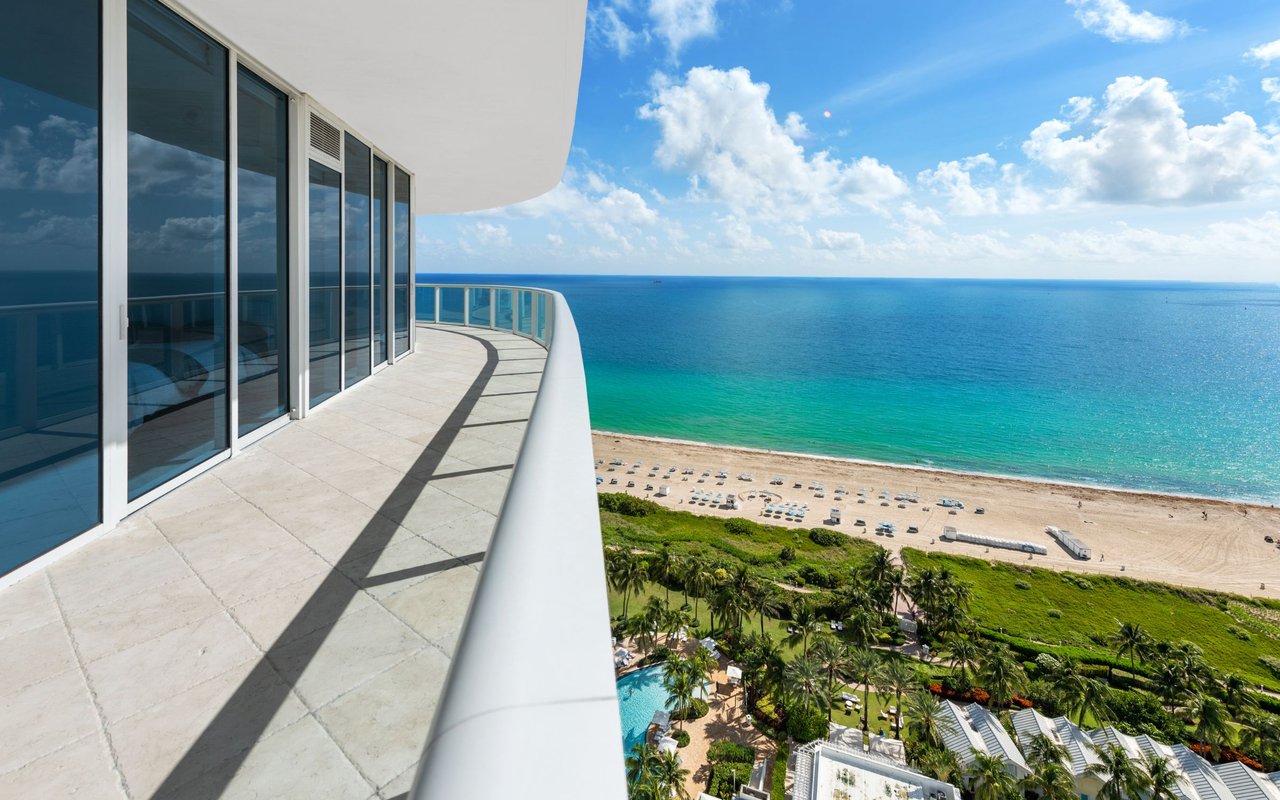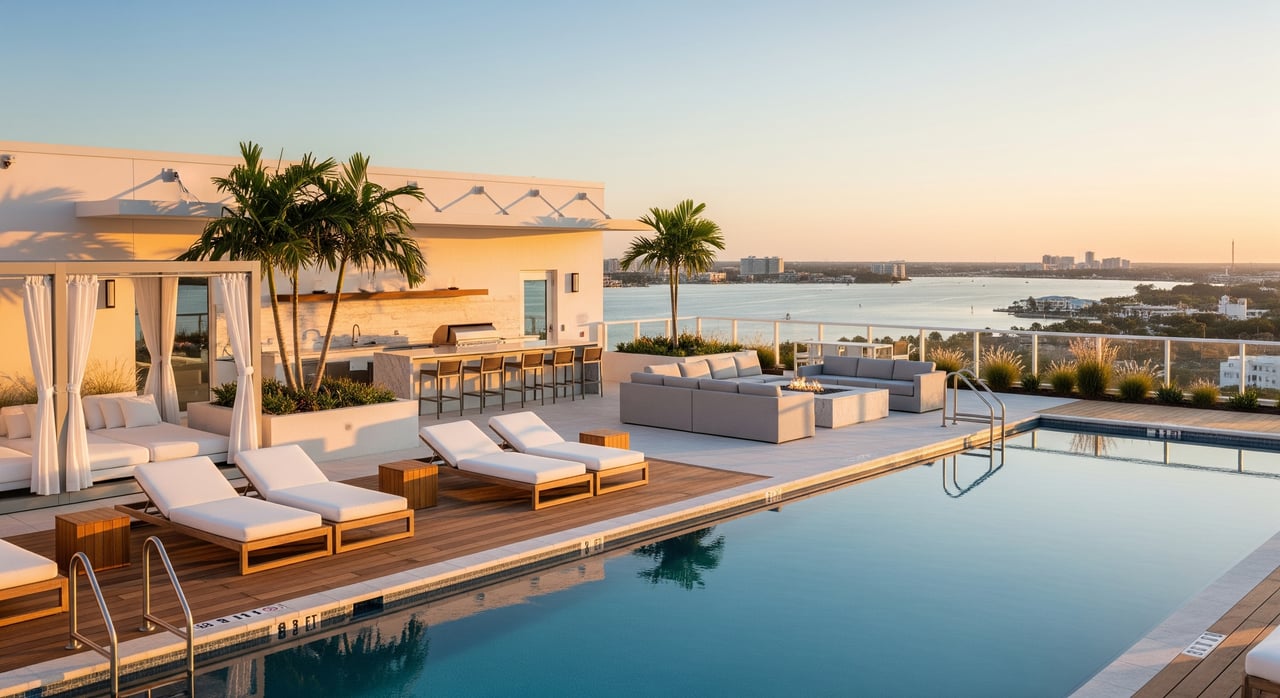
Trying to choose between 400 Central and Saltaire in downtown St. Petersburg? These are two of the city’s most talked-about luxury towers, and the amenity details can make or break your decision. You want a clear, apples-to-apples view of what life looks like day to day, plus how the association rules and costs fit your plans. This guide gives you a practical checklist to compare resident amenities, services, ownership rules, location convenience, and risk factors, so you can move forward with confidence. Let’s dive in.
How to compare 400 Central and Saltaire
You can make a strong decision by breaking the comparison into five parts:
- Building profile and resident amenities
- Health, fitness, and wellness features
- Services and building operations
- Ownership rules, fees, and financial health
- Location and lifestyle fit in downtown St. Petersburg
Use the sections below as a step-by-step checklist to confirm each item directly with the condominium association or management. If any detail is not documented, press for written confirmation before you rely on it.
Building amenities checklist
Common and leisure spaces
Start with what you will use most often. Confirm the presence, location, and any limits on use.
- Pools: number, indoor or outdoor, heated status, hours, and guest policy. Ask about recent rehab or deck resurfacing.
- Hot tubs, saunas, or spa rooms. Verify access rules and any reservation process.
- Rooftop or terrace spaces: observation decks, grilling stations, and seating areas. Check if you can reserve for private events.
- Resident lounges and clubrooms: capacity, kitchen facilities, and rental fees.
- Guest suites: number available, nightly rate, and booking rules.
- On-site retail or dining if the building is mixed-use. Ask how access works for residents.
- Storage: bicycle rooms and secured storage lockers. Note whether these are deeded, assigned, or fee-based.
How to verify: review the association’s Rules and Regulations, amenity map, and any resident handbook. Request written policies on reservations and fees.
Health, fitness, and wellness
Wellness spaces can vary widely across towers, so clarify size and offerings.
- Fitness center: square footage, equipment list, training areas, and class schedules.
- Studios and locker rooms: yoga or aerobics spaces, showers, saunas.
- Outdoor options: on-site paths and nearby connections to waterfront trails.
How to verify: ask management for an equipment inventory and capacity limits. Confirm any additional membership fees.
Services and building operations
Service levels influence convenience and monthly dues.
- Lobby and staffing: concierge, front desk coverage, 24-hour staff, and valet services.
- Management: on-site office hours and the name of any third-party management company.
- Deliveries and storage: package rooms, parcel lockers, and cold storage for groceries.
- Trash and recycling: chute access and scheduled pickups.
How to verify: request contact details for the on-site manager and a summary of operating hours and vendor partners. Ask to see current service contracts if available to owners.
Building systems and safety
In Florida, system quality and resilience matter. Clarify what protects residents and common areas.
- Elevators: number, age, and any modernization records.
- Backup power: generator coverage for elevators, life-safety, and common areas.
- Storm resilience: hurricane-impact glazing or shutters and any floodproofing.
- Fire safety: sprinklers, monitored alarms, and emergency egress.
- Security and access: controlled entries, cameras, and intercom systems.
- Accessibility: ADA-compliant entrances and elevator access to all amenity floors.
How to verify: review recent board minutes for upgrades, ask for generator maintenance logs, and request elevator inspection reports.
Parking and transportation
Parking rights and EV readiness can affect daily convenience and value.
- Parking type: deeded or assigned spaces, covered garage vs surface, and any tandem or valet setup.
- Number of spaces per unit and guest parking availability.
- EV charging: number of stations, power rating, access policy, and costs.
- Bicycle and scooter storage, plus nearby public transit stops.
How to verify: confirm parking in the purchase contract and deed exhibits. Ask for the EV charging policy in writing.
Unit-level features often marketed as amenities
Some comforts live inside your front door. Confirm what’s standard vs optional.
- Private balconies or terraces and railing type.
- In-unit laundry, appliance brands, and venting type. n- HVAC type and smart-home wiring.
- Internet and cable providers available to the building.
- Private or floor-level storage rooms.
How to verify: review developer specs or recorded documents for unit features. Cross-check with recent listing disclosures for your floor plan.
Location and lifestyle in downtown St. Petersburg
Both towers position you close to the best of St. Pete, so evaluate how each address fits your routine.
- Everyday access: proximity to grocery, pharmacies, and medical care.
- Culture and dining: Beach Drive restaurants, galleries, theaters, and museums.
- Waterfront time: St. Pete Pier and the parks network along the bay.
- Commute and travel: access to I-275 and drive times to Tampa International Airport.
- Walkability and transit: Walk Score, bike friendliness, bus routes, and ride-hailing ease.
How to verify: map your top three weekly routines and measure walks or drives at the times you expect to travel. Visit each lobby and surrounding blocks at different hours to gauge vibe and noise.
Ownership, fees, rules, and risks to review
Florida condominium ownership is governed by Florida Statutes Chapter 718. Beyond amenities, your total cost and flexibility depend on the association’s finances and policies.
- Monthly HOA fees: current amounts by unit type and what they include, such as reserves, cable or internet, and building insurance.
- Reserves and assessments: latest reserve study, funding status, and any current or recent special assessments, including purpose and payment terms.
- Use restrictions: owner occupancy rules, lease minimums, short-term rental restrictions, and any wait period before renting.
- Pet policy: species, breed or weight limits, and number per unit, as well as common-area rules.
- Insurance and flood risk: scope of master policy, what owners must insure inside the unit, FEMA flood map status, and any elevation or flood mitigation details.
How to verify: request the Condominium Declaration, Bylaws, Rules and Regulations, current budget, audited financials, reserve study, master insurance summary, resale certificate, and the last 6 to 12 months of board minutes. If any item is unavailable, pause until you receive clear written confirmation.
Market and buyer-use considerations
Think about fit today and exit value tomorrow.
- Resale drivers: full-service staffing, deeded parking, private outdoor space, and view corridors often support premiums in St. Pete’s luxury segment.
- Rental potential: verify lease terms, blackout periods, and management requirements. Short-term restrictions can shape cash flow and seasonality.
- Insurance costs: coastal high-rise condos may see higher property and flood premiums. Confirm recent quotes and lender expectations.
- Capital projects: ask about roof, facade, balcony, garage, and waterproofing work, including timelines and planned budgets.
How to verify: read recent meeting minutes and project updates, then confirm any planned work timeline and funding source in writing.
400 Central vs Saltaire: side-by-side worksheet
Use this worksheet to organize answers as you receive documents and confirmations. Bring it to tours and calls with management so you capture consistent details for each tower.
| Category | What to verify | 400 Central | Saltaire | Notes/Next steps |
|---|---|---|---|---|
| Pools & spa | Count, heated status, hours, guest policy, recent rehab | |||
| Rooftop/terraces | Observation areas, grills, reservation rules | |||
| Lounges/clubrooms | Capacity, kitchen, rental fee | |||
| Guest suites | Number, nightly fee, booking rules | |||
| Fitness & studios | Size, equipment list, classes | |||
| Locker/sauna | Showers, saunas, lockers | |||
| Concierge/valet | Coverage hours, valet terms | |||
| Management | On-site office, company name | |||
| Packages/trash | Package room, lockers, chutes | |||
| Elevators | Count, modernization dates | |||
| Generator | Coverage for elevators/common areas | |||
| Storm resilience | Impact windows, floodproofing | |||
| Security/access | Controlled entry, cameras | |||
| Accessibility | ADA entries, elevator reach | |||
| Parking | Deeded vs assigned, spaces per unit | |||
| Guest parking | On-site options, time limits | |||
| EV charging | Count, access, fees | |||
| Bike/scooter | Storage, policies | |||
| Unit features | Balcony, laundry, HVAC | |||
| Internet/cable | Providers and included services | |||
| HOA dues | Amount, inclusions, trend | |||
| Reserves | Funding level vs study | |||
| Assessments | Current or recent, purpose | |||
| Rentals | Minimum lease, wait periods | |||
| Pets | Limits and rules | |||
| Insurance | Master policy scope | |||
| Flood risk | FEMA map status, elevation | |||
| Walkability | Dining, parks, errands | |||
| Commute/travel | I-275 access, airport time |
What to request before you decide
Ask for these documents for both properties so you are comparing current facts:
- Condominium Declaration, Bylaws, and Rules and Regulations
- Current budget, latest reserve study, and most recent audited financials
- Association resale certificate with disclosed fees, pending litigation, and assessments
- Master insurance summary and flood information
- Last 6 to 12 months of board meeting minutes
- Any engineer reports, elevator modernization records, and generator maintenance logs
If a document is delayed or unavailable, note that gap on your worksheet and follow up until you have official confirmation.
A concierge path to a confident choice
When two luxury towers check many of the same boxes, the difference is often in the fine print and day-to-day feel. A structured review of amenities, services, rules, and financials will tell you where you will live best and what it will truly cost over time. If you want a guided, white-glove process, our team can coordinate document requests, schedule tours, and help you stress-test the numbers against your goals.
Ready to compare 400 Central and Saltaire with clarity? Request a White-Glove Consultation with Homescene Property Partners International LLC.
FAQs
What should I prioritize when comparing 400 Central and Saltaire amenities?
- Focus on daily-use spaces first, such as pool access, fitness capacity, lounges, and parking, then confirm service levels, HOA rules, and any fees tied to those amenities.
How can I confirm HOA fees and what they include for each tower?
- Request the current budget, resale certificate, and audited financials from the association to see monthly dues, inclusions like internet or reserves, and any pending increases.
Are short-term rentals typically allowed in downtown St. Petersburg condos?
- Policies vary by building; verify minimum lease terms, wait periods after purchase, and any registration or management requirements in the Rules and Regulations.
How do flood insurance and coastal risk affect high-rise condo ownership in Pinellas County?
- Coastal towers may carry higher property and flood insurance costs; check FEMA flood maps, master policy coverage, and lender requirements before finalizing your budget.
What amenities tend to support resale value in St. Pete luxury towers?
- Full-service staffing, deeded parking, private outdoor space, and strong common-area programs often correlate with premium resale performance in the local market.
How do I verify the condition of major building systems like elevators and generators?
- Ask for elevator inspection or modernization records, generator maintenance logs, and recent board minutes that reference upgrades, testing, or planned capital projects.